Poaching and steaming
Ideal for lean fish such as cod or halibut, since the moist heat protects delicate flesh.
Most fish fall into two broad groups, lean and oily, and knowing which one you have explains a lot about how it will cook. This guide covers the basics and helps you match each type to the right method.

The main difference between lean and oily fish is where they store fat. Lean fish, often called white fish, keep most of their fat in the liver, so the flesh itself is pale, mild and low in fat. Oily fish store fat throughout their muscle, which gives the flesh a deeper color, a richer flavor and a softer, more moist texture.
This is not a strict scientific line, and some fish sit somewhere in the middle. Still, the idea is extremely useful in the kitchen. Fat acts as a buffer against overcooking, carries flavor and changes how a fillet reacts to heat. Once you know which group a fish belongs to, you can make sensible guesses about how to season it and how long to cook it.
Familiar lean fish include cod, haddock, pollock, halibut, flounder, sole, tilapia and many types of snapper and grouper. Their flavor is mild and clean, which makes them a good canvas for herbs, citrus, butter and spices.
Because there is little fat in the flesh, lean fish can dry out quickly. The window between perfectly cooked and slightly overdone is narrow, especially for thin fillets such as sole or flounder. Gentle methods like poaching, steaming or baking with a little liquid help keep the flesh moist. Quick pan-frying also works well, as long as you watch the clock and remove the fish as soon as it turns opaque and begins to flake.
Lean fish also tend to be delicate. Thin fillets can fall apart if flipped too often, so a wide, thin spatula and a little patience go a long way.
Oily fish include salmon, mackerel, sardines, herring, anchovies, trout, bluefish and most types of tuna. They have a more pronounced flavor, which some people love and others find strong at first.
The extra fat makes these fish more forgiving. They stay moist across a wider range of cooking times and stand up well to high heat. Grilling, broiling, roasting and smoking are all classic choices. Oily fish also pair well with sharp, acidic flavors such as lemon, vinegar, mustard, capers or pickled vegetables, which cut through the richness.
One thing to keep in mind is that the fat in oily fish can develop off flavors faster if the fish is not stored well. Buy it as fresh as you can, keep it cold and cook it soon after purchase, or freeze it promptly.
These pairings are general starting points rather than strict rules.
Ideal for lean fish such as cod or halibut, since the moist heat protects delicate flesh.
Well suited to oily fish like salmon and mackerel, which handle direct high heat without drying out.
Works for both groups; thicker lean fillets and skin-on oily fillets give the best crust.
A flexible option for either type, especially with a little fat or sauce for lean fish.
Both lean and oily fish are part of many people's diets, and they differ in their nutritional profile. Oily fish naturally contain more fat, while lean fish are lower in fat. Individual needs vary widely, and some species carry specific consumption advice. For personal dietary questions, consult a qualified healthcare professional and review current official guidance on fish consumption.
In the kitchen, the best approach is simply to try both. Cook a lean fillet and an oily fillet the same week and notice how they differ. That hands-on comparison will teach you more than any chart.
 How to choose fresh fish with confidence
Practical tips for judging fish freshness by smell, look and texture, choosing fillets or whole fish, understanding frozen fish and storing it safely.
Read more
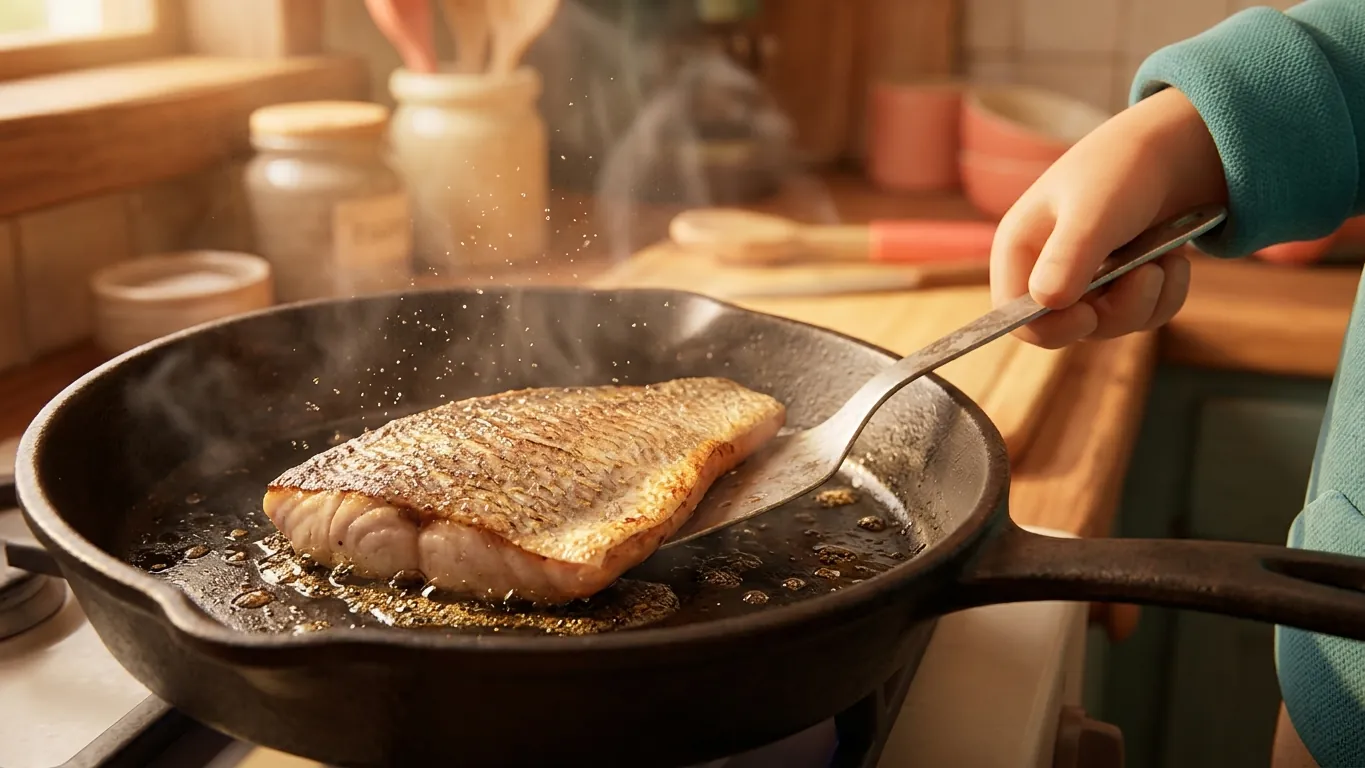 Pan-searing fish fillets for a golden crust
Learn how to pan-sear fish fillets with a golden crust: drying the fish, heating the pan, cooking skin-on or skinless and finishing with a simple sauce.
Read more
 Salmon varieties explained
A clear look at common salmon varieties, including king, sockeye, coho, pink, chum and Atlantic, with notes on flavor, texture and cooking.
Read more