Fish varieties
Clear explanations of how common species differ in texture, flavor and fat content, from lean white fish to rich oily fish.
Fish varieties and seafood cooking, explained plainly
Nanoret Seafood is a blog about the many kinds of fish and shellfish and how to cook them well at home. We explain how species differ, how to shop with confidence and which techniques suit which fillet, so you can approach seafood with curiosity instead of hesitation.

Every article focuses on a practical question a home cook might have about seafood. These are the main areas we write about.

Clear explanations of how common species differ in texture, flavor and fat content, from lean white fish to rich oily fish.
What to look for at the fish counter, how to read the difference between fresh and frozen, and how to get seafood home safely.
Step-by-step approaches to pan-searing, baking, roasting and other methods that suit different kinds of fish.
Practical notes on handling and cooking shrimp, mussels, clams and scallops in a home kitchen.
Ideas for swapping one fish for another when a recipe calls for something you cannot find.
Occasional opinion pieces that encourage readers to try new species and less familiar ways of cooking.
 Lean vs. oily fish: the difference that shapes every recipe
Understand the difference between lean white fish and oily fish, how each behaves in the kitchen and which cooking methods suit them best.
Read more
 How to choose fresh fish with confidence
Practical tips for judging fish freshness by smell, look and texture, choosing fillets or whole fish, understanding frozen fish and storing it safely.
Read more
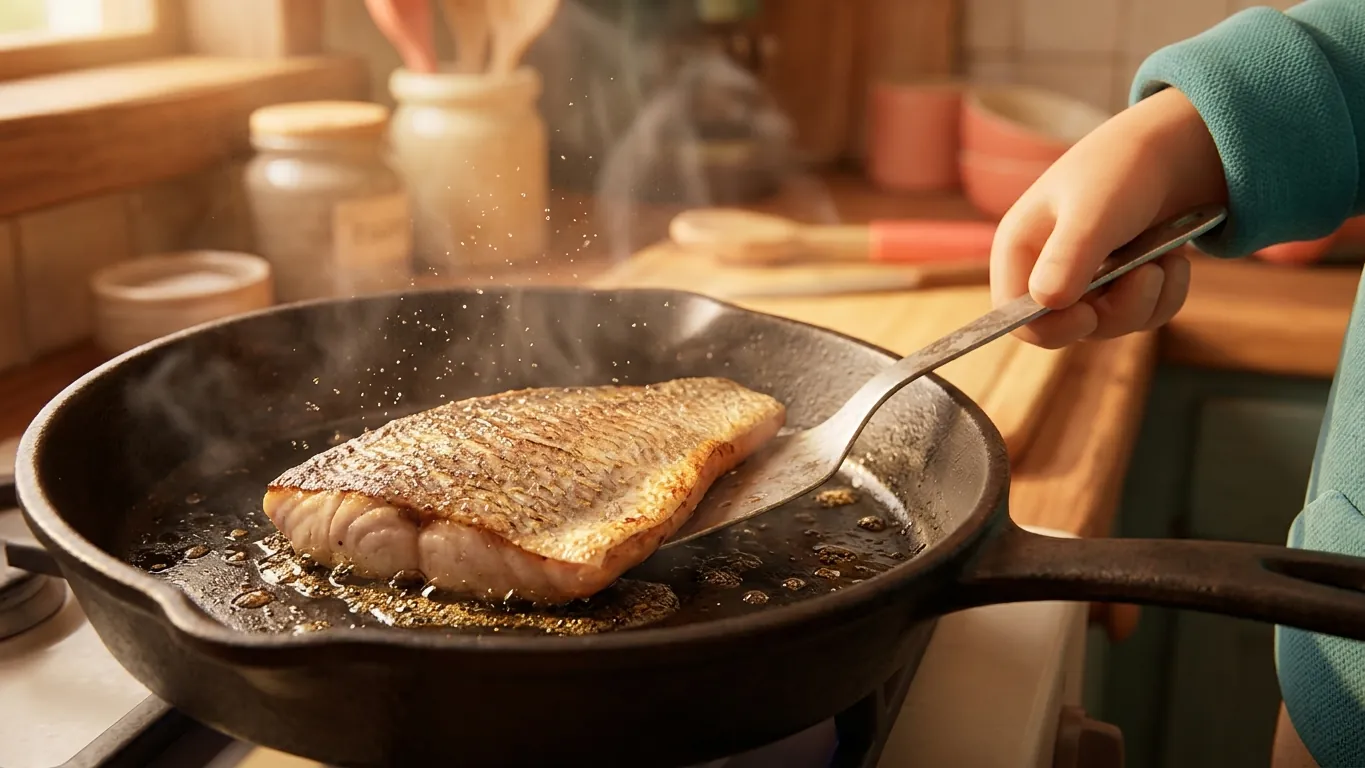 Pan-searing fish fillets for a golden crust
Learn how to pan-sear fish fillets with a golden crust: drying the fish, heating the pan, cooking skin-on or skinless and finishing with a simple sauce.
Read more
 Salmon varieties explained
A clear look at common salmon varieties, including king, sockeye, coho, pink, chum and Atlantic, with notes on flavor, texture and cooking.
Read more
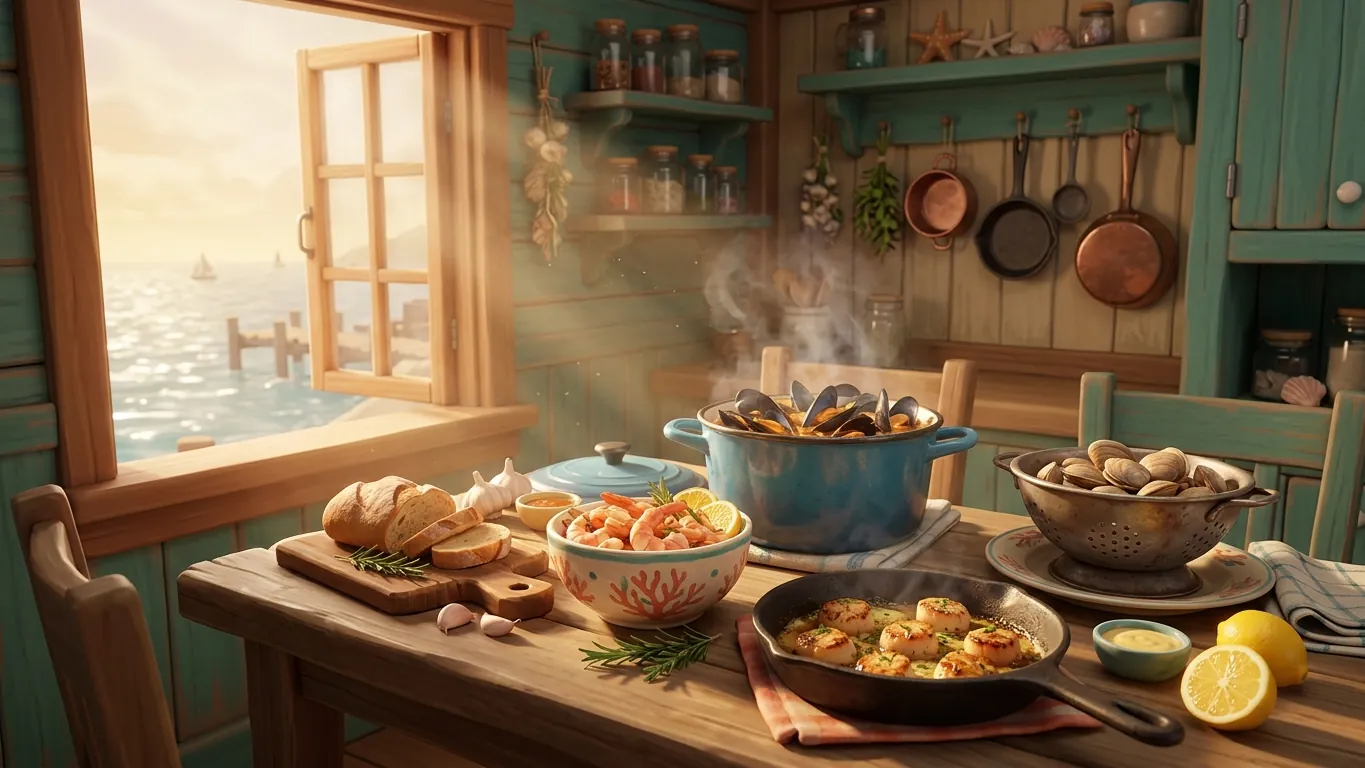 Cooking shellfish at home
A practical guide to buying, cleaning and cooking shrimp, mussels, clams and scallops at home, with food safety notes and simple serving ideas.
Read more
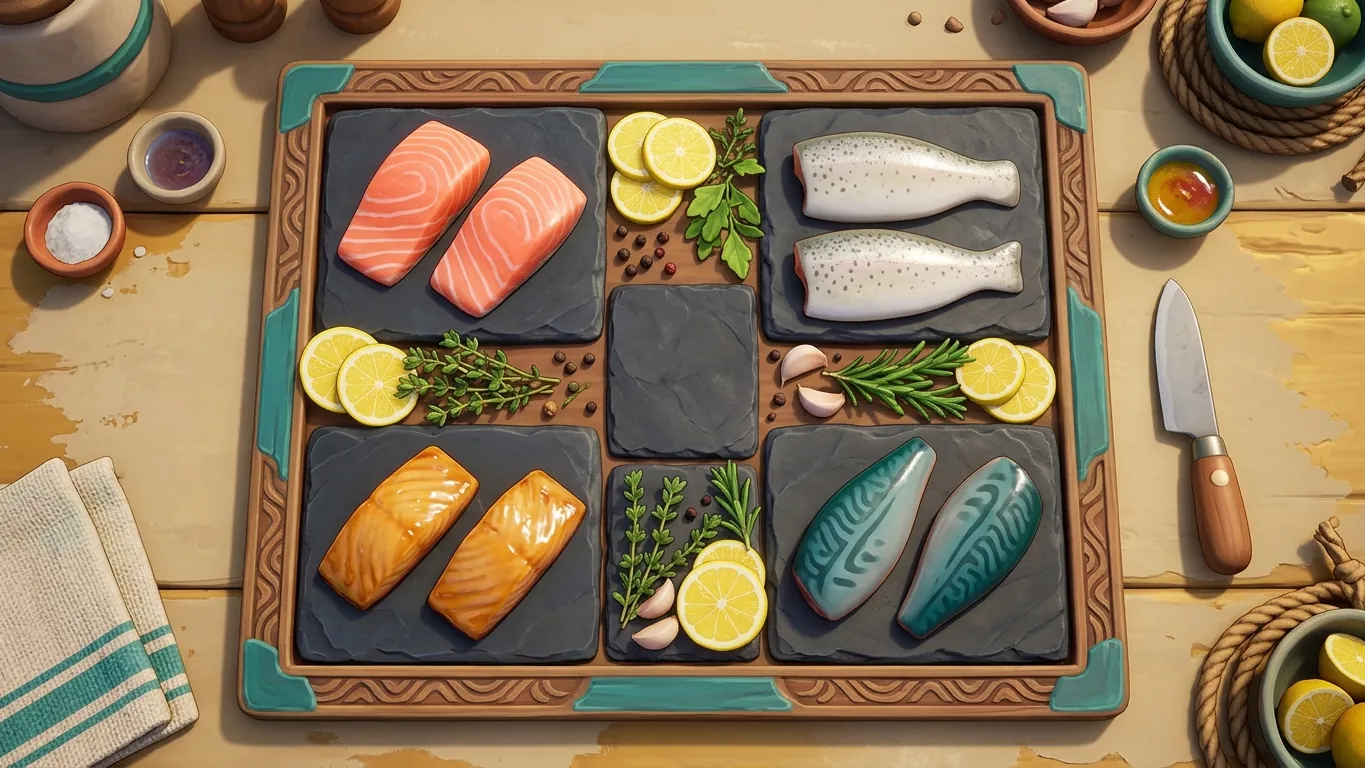 How to swap one fish for another
Can't find the fish your recipe calls for? Learn how to choose a substitute by texture, fat content and thickness, with practical swap ideas.
Read more
Nanoret Seafood is an independent, informational blog. We write evergreen guides that explain how things work rather than chasing trends, and we aim to keep every article practical, accurate and easy to follow in an ordinary kitchen.
We describe general cooking principles and commonly accepted food safety practices. Seafood differs by region, season and supplier, so we encourage readers to use their own judgment, ask their fishmonger questions and follow current official food safety guidance. When it comes to diet, allergies or health conditions, a qualified healthcare professional is the right person to ask.
The blog does not sell seafood and does not review specific shops or products. Our goal is simply to help readers understand fish better and feel more comfortable cooking it.

Get in touch
Contact usIt is written for home cooks of any experience level who want to learn more about fish and shellfish, whether you are cooking your first fillet or looking to try a new species.
No. Nanoret Seafood is an informational blog. We do not sell products and we do not promote particular shops or brands.
Our articles provide general information about cooking. For questions about nutrition, allergies, pregnancy or medical conditions, please consult a qualified healthcare professional and check current official guidance.
Many cooks look for flesh that turns opaque and flakes gently. A food thermometer is the most reliable tool, and US food safety guidance commonly lists 145°F as the internal temperature for fish.
Yes. Readers are welcome to suggest fish species, techniques or questions through the contact form on the Contact page.
If there is a fish you are curious about or a technique you would like explained, send us your suggestion through the contact form. We read every message and use reader ideas to plan future articles.
Get in touch